


Accredited Centres
Accredited and working towards
The settings where this is already how they teach.
Schools and nurseries in Britain and across Asia who have put outdoor learning into their governance, their timetable and their staffing, rather than their newsletter.
This page is a record, not a marketing list. Each setting below has staff we have trained and practice we have seen. Where a setting is working towards a level rather than holding it, it says so. We would rather show the journey honestly than imply a room full of Centres of Excellence.
The settings
Where the work is happening.
Seven settings across five countries, at different points on the same route: one Centre of Excellence, five Development Centres and one in conversation. Between them they cover three months to eighteen years, state and independent, urban and rural, temperate woodland and subtropical hillside.
England
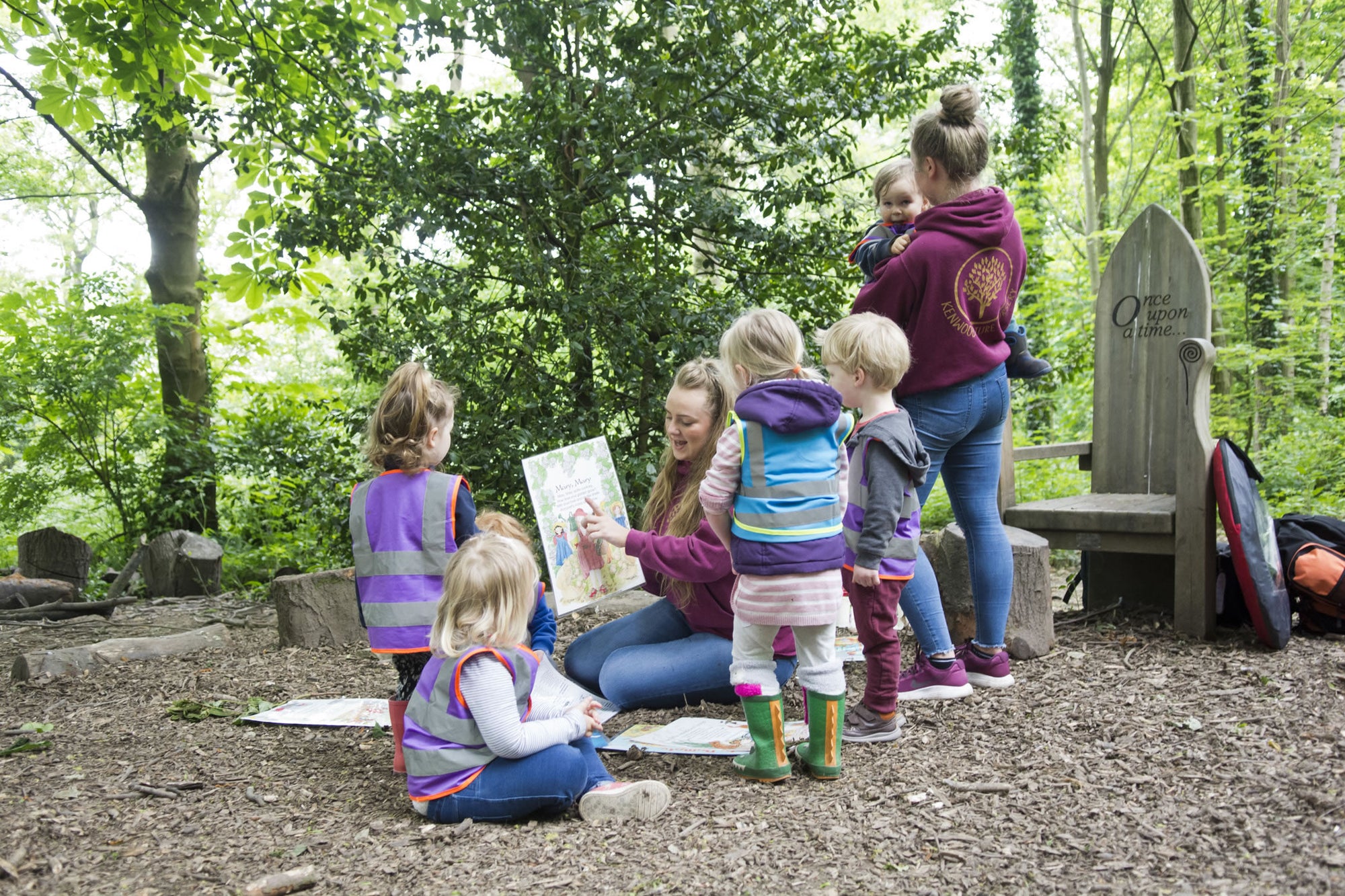
Kenwood Nature Nursery
Nursery, 3 months to 5 years
Our own setting, and the one where the babies and under-threes work is developed before it is taught anywhere else. Everything we ask of an accredited centre, we ask of Kenwood first.
Centre of Excellence
Hong Kong
Leap Frog Kindergarten
Kindergarten, early years
A long-standing Hong Kong partner and a host site for our training there. Forest Schools practice runs through the daily programme rather than sitting beside it.
Development Centre
Hong Kong
Ark Eden
Environmental education centre, Lantau
Hillside, forest and water on Lantau Island, and one of the few places where the stewardship pillar is the easiest one to evidence rather than the hardest.
Development Centre
Hong Kong
ICHK
Through-school, secondary
Nine years of work together. ICHK is the answer to anyone who says Forest Schools is only for the early years: the same principles, applied to teenagers, who need them just as much.
Development Centre
Thailand
Rugby School Thailand
International school, Pattaya
Our newest, and the host campus for Thailand training. A British independent school abroad, building the programme from the staffroom out rather than from one enthusiast.
Development Centre
South Korea
Seoul Foreign School
International school, Seoul
The newest of them, and the host campus for our South Korea training. Beginning the same way every centre does: qualified staff first, then the programme, then the governance around it.
Development Centre
Singapore
Wildlings Nature Space
Nature space, Dempsey
Where Singapore training is delivered, in the middle of one of the most built cities on earth, which is precisely why it matters.
In conversation about accreditation
The route
Three rungs, and nobody skips one.
Settings move up when the evidence says they have. Most spend two to three years at a level before the next one is realistic, and that is a feature rather than a delay.
One Level 3 Leader, named oversight at leadership level, protected access to a site, and a plan. The point at which a school can say this is real.
Two Level 3 and two Level 2, governance in writing, and evidence of what changed for the children. The point at which it survives a staff departure.
A Level 4 Trainer on staff, a full team beneath them, impact data that is read and acted on, and the capacity to host and teach others.
Each rung is a reason to train more staff, which is the honest commercial truth of it: a setting that wants to move up needs more qualified people, and we are the people who qualify them. We would rather say that plainly than pretend otherwise.
For groups
If one of your schools has it, the others should.
Where a school belongs to a wider family of schools, the first accreditation does the hard work: translating the framework into that group's policies, language and reporting. Every school after that starts further along.
We price a group rollout as a programme, train staff across sites together, and are honest about how many settings we can properly support in a year.
Every setting is assessed. A group badge nobody earned is worth nothing to the children.
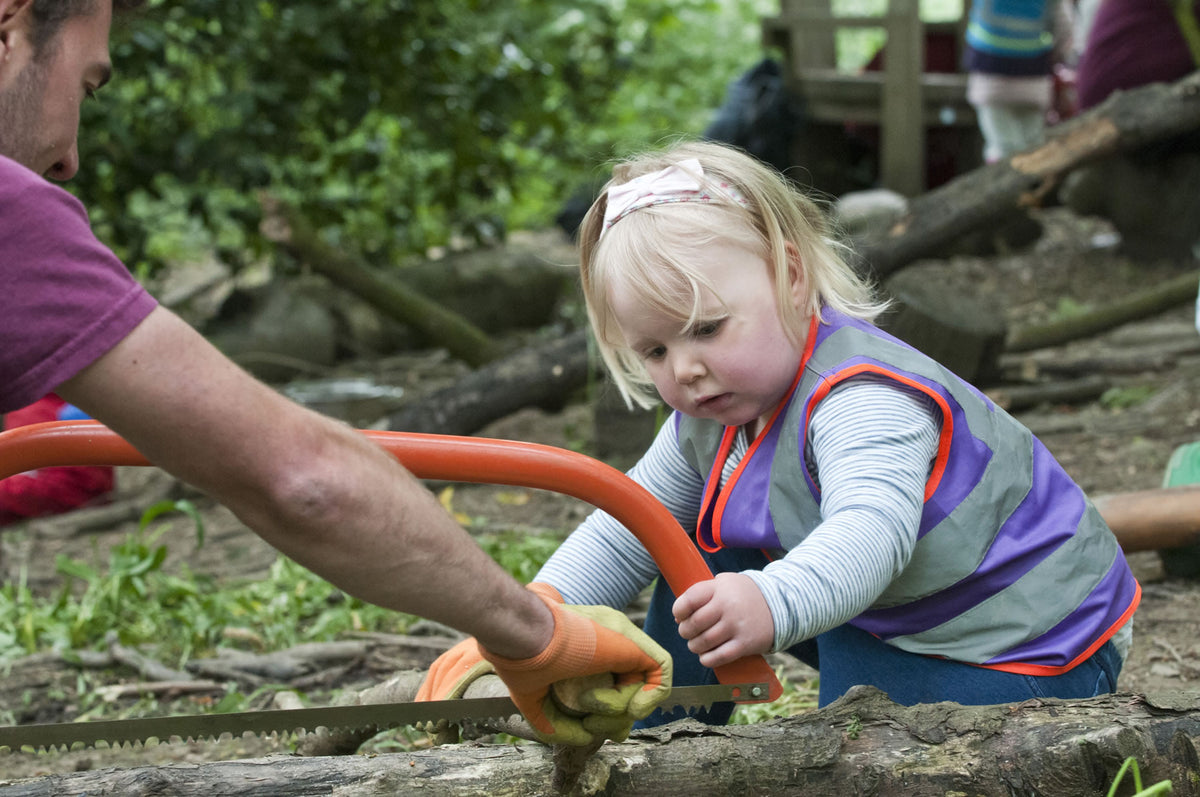
Seven settings. Five countries. One standard.
The list is short on purpose, and most of it sits on the first rung. It will grow slowly, because that is the only way it stays worth being on.Joining them
Tell us about your setting.
Where you are, what you already do outdoors, who is qualified, and what you would like this to become. The first step is a conversation and a free diagnostic against the ten pillars, which is yours whether or not you go on with us.
Start a conversation

